
Why Your Home’s Water Pressure Is Low and How to Fix It
When Weak Water Pressure Becomes a Real Problem
Low water pressure turns everyday tasks into a hassle. A shower that should feel refreshing turns into a weak drizzle, the washing machine seems to take forever to fill, and faucets sputter instead of giving you a steady stream. When this happens across your home, it is more than an annoyance; it is a sign that something in your plumbing system is not working the way it should.
Water pressure affects your comfort, how well you can clean, and how efficiently your appliances run. If the pressure is too low, showers feel uncomfortable, dishes do not rinse well, and some appliances may not perform as designed. Over time, that can waste water, energy, and your patience.
At Kay Plumbing, Heating & Cooling, we often see low pressure as a symptom of bigger issues, like hidden leaks, aging or undersized pipes, or failing fixtures and valves. In this article, we will walk through the most common causes of weak water pressure, simple checks you can do on your own, where professional plumbing leak repair comes in, and how homeowners in Lexington, Columbia, and the surrounding Midlands can get their water pressure back to normal.
Common Household Causes of Low Water Pressure
One of the first things we look at is whether the problem is limited to one fixture or happening throughout the house. If one shower or faucet is weak but others seem fine, the issue is usually close to that fixture.
Mineral buildup is a big culprit. Over time, hard water deposits can clog faucet aerators and showerheads, blocking the small openings that control the flow. A fixture can look perfectly fine on the outside but be packed with scale inside. Another simple cause is a partially closed shut-off valve under a sink or at a toilet, especially after recent repairs or replacements. If only one room has low pressure, it often comes back to one of these small details.
Whole-house low pressure points toward bigger plumbing issues. Sediment or mineral deposits can collect in supply lines, slowly restricting the internal diameter of the pipes. In older homes, corroded or undersized pipes may not keep up with modern water demands, especially when multiple fixtures run at the same time. DIY changes during remodels, such as added fixtures or new valves, can also unintentionally create bottlenecks in the system.
Hidden leaks are another major factor. Even a relatively small leak can lower pressure across the home because water is escaping before it reaches your fixtures. Signs that point toward a leak include:
- Water stains on ceilings, walls, or under cabinets
- Musty or damp smells in specific areas
- Unexplained wet spots in the yard or near the slab
- A water bill that climbs without any change in usage
When these signs show up alongside low pressure, timely plumbing leak repair becomes very important. Fixing the leak can restore pressure, prevent structural damage, and reduce the risk of mold growth.
City Water, Well Systems, and Pressure Regulator Issues
If you are on city water, your supply pressure is managed before it ever reaches your home. Utility companies control pressure in mains that serve neighborhoods. If there is a main break, hydrant flushing, or nearby utility work, you might notice a temporary drop in pressure. When the entire block seems to have the same issue, it is a good idea to check with the water provider before assuming there is a problem with your plumbing.
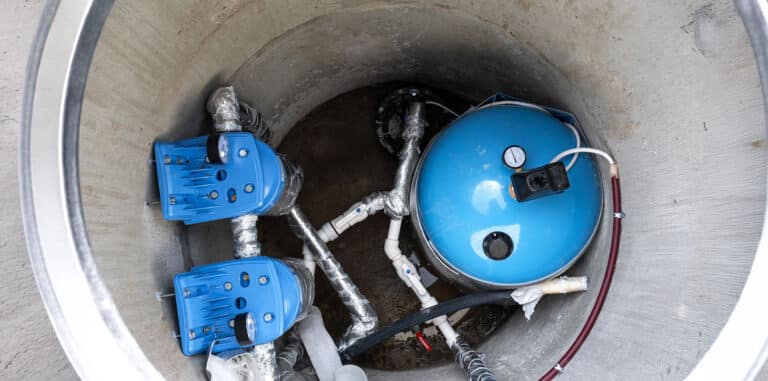
For homes on wells, low pressure has a different set of possible causes. A low water level in the well, a clogged screen, or a pump that is starting to fail can all cause weak flow. Pressure tanks can also lose their air charge or have faulty pressure switches, leading to frequent cycling and inconsistent pressure. These systems involve electrical components and water safety, so we recommend professional diagnosis to avoid pump burnout or contamination risks.
Many homes have a pressure-reducing valve, also called a PRV, on the main line. This device takes higher street pressure and reduces it to a safe level for your plumbing. Over time, a PRV can wear out or drift out of adjustment. Symptoms of a failing PRV include pressure that is too low throughout the home, sudden changes in pressure, or noisy pipes when water starts or stops. The main shut-off valve can also cause issues if it is not fully open or is partially stuck, which can mimic or add to low-pressure problems.
DIY Checks You Can Safely Try Before Calling a Plumber
There are a few safe steps you can try before calling in a professional, and they can help narrow down the cause.
Start by checking whether the problem is at one fixture or the entire home. Turn on different faucets and showers one at a time, then run a couple together. If only one location is weak, focus there first. Remove the aerator or showerhead and check for debris or white, chalky buildup. A soak in vinegar can help dissolve mineral deposits, and a light scrub can clear blocked holes.
Next, verify that the individual shut-off valves at sinks, toilets, and appliances are fully open. Someone may have closed a valve during previous work and forgotten to open it all the way. This takes just a few minutes and can instantly solve some low-pressure complaints.
If you want to go a step further, you can perform basic water pressure testing using an inexpensive gauge that screws onto an outdoor hose bib. With no other water running, the gauge will show your static pressure in pounds per square inch, or PSI. In general:
- There is a typical range that most homes fall into
- Significantly below that range feels weak and can affect appliances
- Excessively high pressure can damage plumbing and should also be corrected
Write down the readings at different times of day. These notes are very helpful if you decide to bring in a plumber for further troubleshooting.
There are also clear points where DIY should stop. We do not recommend that homeowners take apart main lines, PRVs, water heaters, or well equipment without training. Red flags that call for immediate professional help include:
- A sudden, drastic loss in pressure across the whole house
- Visible leaks, especially near the foundation, in ceilings, or behind appliances
- Loud banging or hammering in pipes when water starts or stops
- Discolored or rusty water coming from multiple fixtures
- Warm spots on floors that might indicate a hot water slab leak
In these cases, professional plumbing leak repair and system adjustments are the safest way to protect your home and your family.
Professional Solutions to Restore Safe, Strong Water Pressure
When basic checks do not solve the problem, it is time for a more detailed evaluation. As plumbing and HVAC pros serving the Lexington, Columbia, and Midlands area, we use our experience and tools to pinpoint whether the issue is with your incoming supply, individual fixtures, or hidden pipe damage.
For suspected leaks, non-invasive methods can often locate problems behind walls, under slabs, or in the yard. Once we find the source, targeted plumbing leak repair can restore pressure, reduce water waste, and help prevent mold and structural damage. In some homes, we find several smaller issues adding up instead of one big problem, so a thorough inspection pays off.
Repair and upgrade options can include replacing failing PRVs, corroded pipe sections, or outdated galvanized or damaged lines. In some older properties, especially where pipes are at the end of their life, repiping parts of the home may be the most reliable long-term solution. We can also recommend modern, efficient fixtures and valves that maintain good pressure without wasting water.
Preventive maintenance plays a big role in keeping pressure steady over time. Routine inspections of visible piping, shut-off valves, and water heaters help catch small problems before they become big ones. Flushing water heaters and addressing hard water issues can cut down on scale that narrows pipes and fixtures. By keeping up with regular service, homeowners can keep water pressure consistent and help their plumbing systems stay reliable year-round.
Get Your Water Pressure Back to Where It Should Be
Low water pressure is almost always fixable once you know what is causing it; from a clogged showerhead to a failing PRV or a hidden leak under the slab, each issue has a practical solution. Starting with a few simple checks at your fixtures, a quick pressure test, and a watchful eye for leak signs can give you a clearer picture of what is going on.
When the problem turns out to be more than a quick DIY fix, especially if you are dealing with suspected leaks, main line issues, or recurring low pressure, bringing in a professional is the safest path. With the right diagnosis and repairs, you can get back to strong, reliable water pressure and a plumbing system that serves your home the way it should.
Get Started With Your Project Today
If you suspect a hidden leak or see signs of water damage, our team at Kay Plumbing, Heating and Cooling is ready to help before it turns into a bigger problem. Explore our plumbing leak repair services to see how we find and fix issues quickly and safely in your home. When you are ready to schedule service or ask a question, just contact us and we will respond promptly.