Tankless Versus Standard Water Heater
A water heater usually gets your attention at the worst possible moment – when the shower turns cold, the laundry stalls, or a busy morning runs out of hot water halfway through. If you’re weighing a tankless versus standard water heater, the right choice depends on how your household uses hot water, how long you plan to stay in the home, and what kind of performance you expect day to day.
For some homes, a traditional tank water heater is the dependable workhorse that makes the most sense. For others, a tankless system delivers the convenience and efficiency that better matches modern demand. The key is understanding how each one actually performs in real conditions, not just how it sounds on paper.
Tankless versus standard water heater: the basic difference
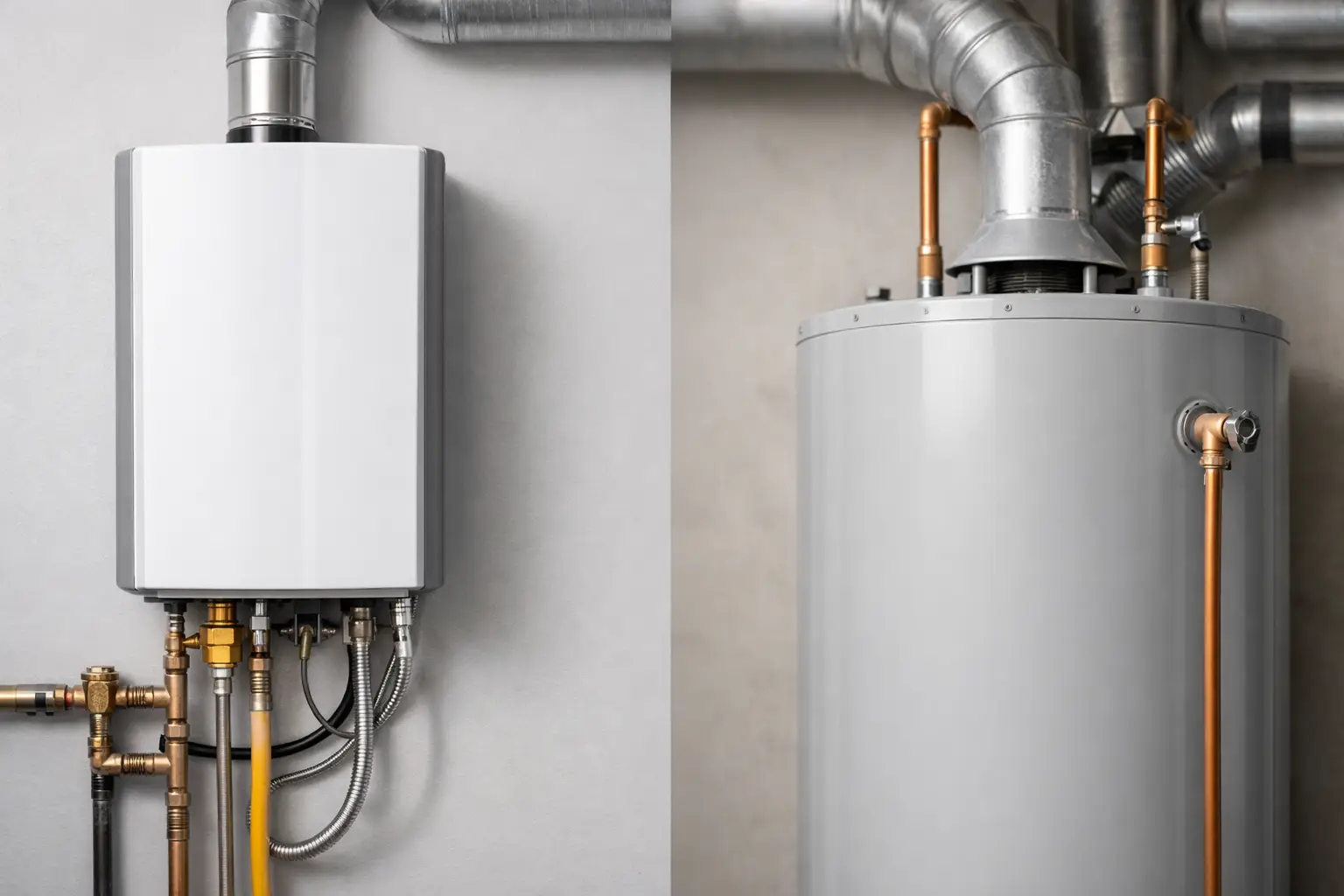
A standard water heater stores a set amount of heated water in a tank, usually 40 to 80 gallons. It keeps that water hot and ready, cycling on and off throughout the day to maintain temperature. That means hot water is available immediately until the tank is depleted.
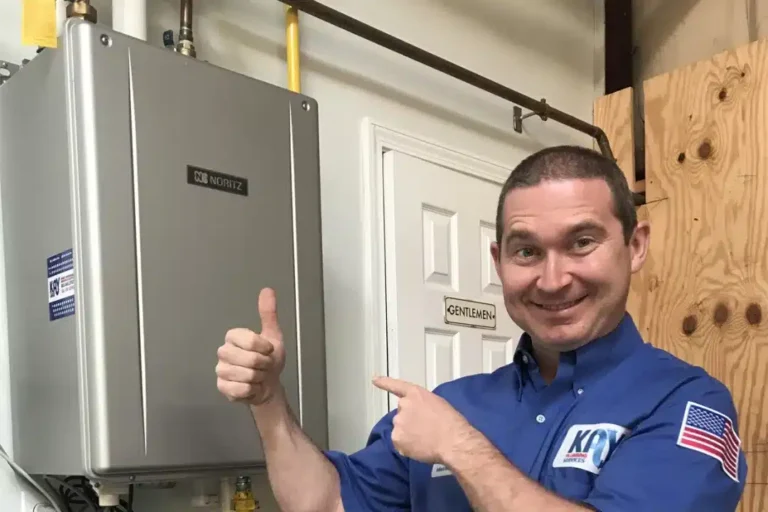
A tankless water heater works on demand. Instead of storing hot water, it heats water as it passes through the unit. When you turn on a faucet, shower, or appliance that uses hot water, the system activates and heats water in real time.
That difference affects nearly everything else – recovery, energy use, size, maintenance, and how the system feels in everyday use.
How each system performs in a real home
For many homeowners, performance comes down to one question: will there be enough hot water when the house is busy?
A standard tank system does well when demand is predictable. It stores a ready supply, which means showers, dishwashing, and laundry can all draw from the tank at once, up to its capacity. Once that supply runs out, though, you have to wait for the tank to recover.
A tankless system does not run out of stored hot water because it is not relying on a tank. That sounds like an automatic win, but there is a limit. Tankless units are rated by flow rate, so they can only heat a certain amount of water at one time. If multiple fixtures are calling for hot water at once, the unit may struggle to keep up unless it is properly sized.
That sizing point matters a lot. A smaller household with staggered water use may love a tankless system. A larger home with several bathrooms and high simultaneous demand may need a carefully selected unit, or in some cases more than one unit, to get the results people expect.
Energy use and efficiency
The biggest efficiency advantage of tankless equipment is that it avoids standby heat loss. A standard tank keeps water hot around the clock, even when nobody is using it. Some heat escapes over time, and the system has to keep reheating the stored water.
A tankless unit only runs when there is actual demand. That can reduce wasted energy, especially in homes where hot water use is spread out through the day or where the property sits empty for long stretches.
Still, efficiency is not just about the label on the equipment. It is also about how the home uses hot water. If your household uses a lot of hot water in concentrated periods, the practical difference may feel smaller than expected. If usage is moderate and steady, tankless often has a clearer advantage.
Space, placement, and installation impact
One of the most noticeable benefits of tankless units is their size. They mount on a wall and free up floor space, which can be especially helpful in utility closets, tight mechanical rooms, or commercial settings where every square foot matters.
A standard water heater takes up more room because of the storage tank. In many homes, that is not a dealbreaker. Basements, garages, and dedicated utility areas often have enough space to accommodate a tank without much concern.
Installation is where things can get more nuanced. Replacing a tank with another tank is often more straightforward because the footprint and utility connections are similar. Converting from a standard tank to tankless can involve changes to venting, gas line sizing, electrical requirements, and placement. That does not mean it is the wrong move. It just means the installation should be planned around the home, not around assumptions.
Lifespan and long-term reliability
Both systems can be dependable when they are installed correctly and maintained properly. A standard water heater has a simpler setup and a long track record in homes and commercial buildings. Many people appreciate that simplicity because it is familiar and proven.
Tankless units often have a longer service life, but they are also more sensitive to maintenance needs, especially in areas where mineral buildup can affect performance. Heat exchangers need to stay clean, and the system has to be serviced according to manufacturer requirements.
That is where professional maintenance makes a real difference. A neglected water heater of any kind is more likely to lose efficiency, develop performance issues, or fail earlier than expected. The technology matters, but upkeep matters just as much.
Maintenance needs you should expect
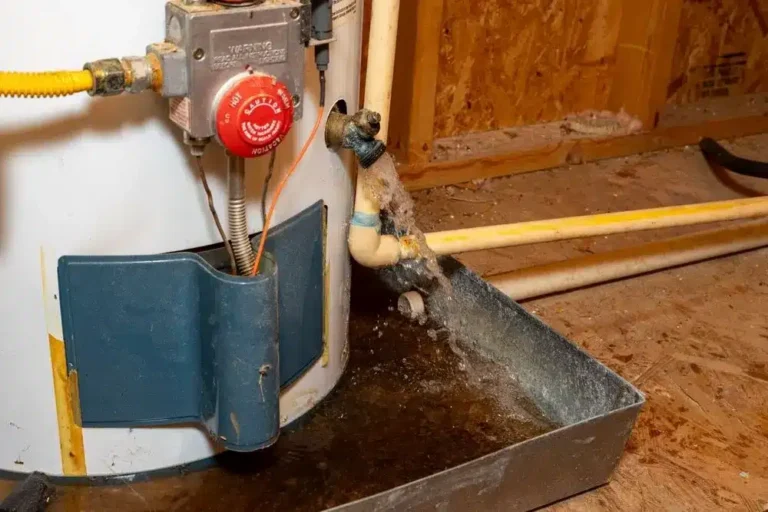
A standard tank water heater still needs routine attention. Sediment can collect at the bottom of the tank, especially over time, and that can affect efficiency and strain the system. Components like the anode rod and relief valve should also be checked as part of regular service.
Tankless systems need maintenance too, and in some cases more consistently. Mineral scale can build up inside the heat exchanger, reducing performance and creating extra stress on the unit. Annual flushing is a common recommendation, though the exact service schedule depends on water quality and usage.
For property owners who stay on top of scheduled service, this is manageable. For those who tend to ignore equipment until something goes wrong, a standard tank may feel easier to live with simply because it is less demanding in day-to-day attention.
Which water heater fits your household best?
When comparing a tankless versus standard water heater, the better option is the one that fits your actual hot water habits.
A standard tank is often the better fit for households that want straightforward, familiar operation and have enough space for the unit. It also works well when demand comes in bursts and the tank size is matched correctly to the home.
A tankless system is often the better fit for households that want longer-term efficiency, value space savings, and prefer the idea of on-demand hot water. It can be an excellent choice for homes with predictable usage patterns and for owners willing to keep up with maintenance.
Commercial spaces and larger residential properties may need a more customized answer. A restaurant, office, multifamily property, or large family home has different usage patterns than a smaller single-family house. In those settings, equipment selection should be based on fixture count, peak demand, and the building’s overall mechanical setup.
Signs it is time to talk with a professional
If your current water heater struggles to meet demand, produces inconsistent temperatures, shows signs of age, or takes up more room than you would like, it may be time to look at replacement options. The same is true if you are remodeling, adding bathrooms, or updating other plumbing systems and want a setup that better matches the way the property is used now.
This is one of those decisions where professional guidance matters. Proper sizing, venting, fuel type, and maintenance planning all affect whether the system performs the way it should. A water heater is not just an appliance. It is part of the larger plumbing system, and it needs to work reliably under daily pressure.
For homeowners and property managers in Lexington and nearby communities, that means choosing a solution based on real demand, not just marketing claims. Kay Plumbing, Heating & Cooling helps customers evaluate water heater options with the same straightforward approach we bring to every plumbing service call – clear recommendations, certified workmanship, and dependable support when comfort and function matter most.
The best water heater is the one that fits your building, your habits, and your expectations without creating new problems later. If you are deciding between tankless and standard, start with how hot water is actually used in your space. That answer usually points you in the right direction.