What Is Considered an HVAC Emergency?
At 2 a.m., a broken AC is frustrating. A broken AC during a South Carolina heat wave with a baby, an older adult, or a medical condition in the house can be an emergency. That is usually the real answer to what is considered an HVAC emergency – not every breakdown is urgent, but any heating or cooling problem that creates a safety risk, health concern, or threat to your property needs immediate attention.
Most HVAC issues fall into one of two categories. The first is inconvenient but manageable for a short time. The second puts people, the building, or the equipment at risk if you wait. Knowing the difference helps you act quickly when it matters and avoid unnecessary panic when it does not.
What is considered an HVAC emergency?
An HVAC emergency is any heating, cooling, or ventilation problem that creates immediate danger or could cause serious damage if not handled right away. That includes situations involving extreme indoor temperatures, electrical hazards, burning smells, gas-related concerns, poor airflow tied to health risks, or signs that the system is actively damaging the home or building.
This is where context matters. A furnace failure on a mild afternoon may be urgent, but not an emergency. The same failure during freezing temperatures, especially in a home with vulnerable occupants or in a commercial building that must stay operational, can absolutely be an emergency. HVAC problems are not judged only by the equipment symptom. They are judged by the risk that symptom creates.
Safety issues that should never wait
Some HVAC problems move straight past inconvenience and into clear danger. If you smell something burning when the system turns on, shut it down and call for service. A light dusty smell at the start of a season can be normal, but a strong electrical or burning plastic odor is not. That can point to overheated wiring, a failing motor, or another component that should not keep running.
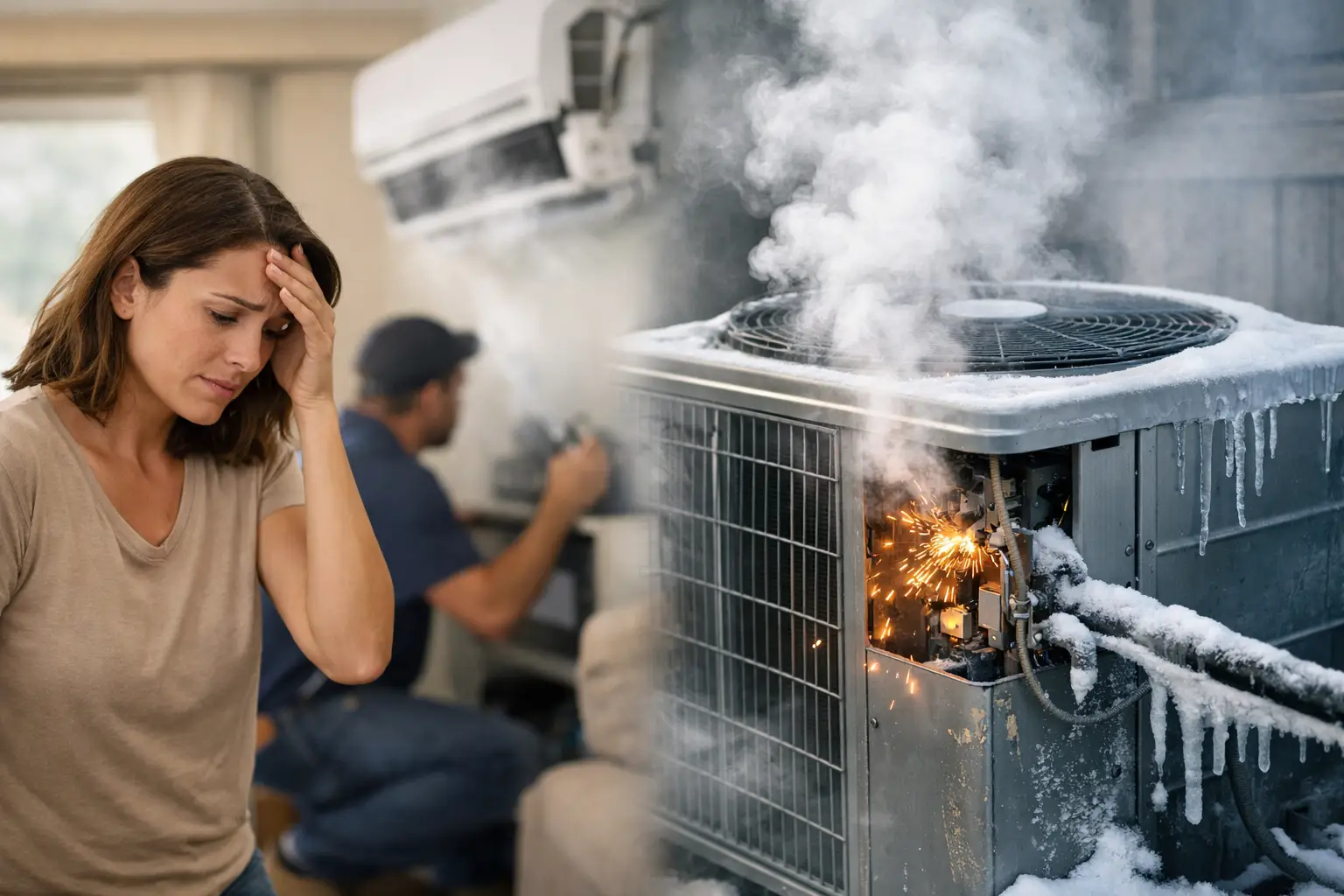
Any sign of smoke coming from vents, the air handler, the furnace, or the outdoor unit also calls for immediate action. Turn off the system if it is safe to do so. If there is visible fire or a strong threat of fire, call emergency services first.
Gas odors are another major red flag. If your heating system involves natural gas and you smell gas, leave the area and follow proper safety steps before calling for HVAC service. Do not keep testing the unit, flipping switches, or trying to restart it. A possible gas leak is never a wait-and-see situation.
Electrical warning signs matter too. Repeated breaker trips, buzzing from the unit, sparks, or sudden loss of power tied to the HVAC system can signal a serious fault. Sometimes the issue is internal to the system. Sometimes it affects the electrical safety of the property itself. Either way, continued operation can make the problem worse.
When extreme temperatures make it an emergency
Not every no-cooling or no-heat call is equally urgent, but temperature can turn a repair need into a true emergency fast.
If your air conditioner stops working during extreme heat and the indoor temperature is climbing, that can become dangerous for infants, older adults, people with heart or respiratory conditions, and pets. The same is true for commercial spaces where employees, customers, equipment, or perishable goods are affected by indoor heat. In these cases, loss of cooling is about more than comfort.
On the heating side, a complete loss of heat during very cold weather can be even more serious. Frozen pipes, unsafe indoor conditions, and exposure risks all become part of the equation. If the building cannot maintain a safe temperature, emergency service is justified.
There is some gray area here. If your upstairs is warmer than usual, one room is not cooling well, or the system is short cycling but still keeping the house livable, you likely need prompt repair rather than emergency repair. But if the system is fully down and indoor conditions are becoming unsafe, that is a different situation.
Signs your HVAC problem could damage the property
Sometimes the biggest risk is not immediate personal safety. It is damage to the building.
A system that is leaking water can become an emergency if that water is collecting around ceilings, walls, insulation, or electrical components. A clogged condensate drain may start as a minor issue, but if it is causing active overflow, stained ceilings, or risk near wiring, it should be handled quickly.
In winter, heating failure can also lead to frozen pipes. For homeowners and property managers, that is where a furnace issue becomes much bigger than a loss of warm air. A delay can lead to burst plumbing lines and major disruption throughout the property.
Commercial buildings have additional concerns. Server rooms, tenant spaces, restaurants, and facilities with temperature-sensitive operations may face equipment damage or business interruption when HVAC systems fail. In those settings, emergency service often depends on how critical that conditioned environment is to operations.
What is considered an HVAC emergency for indoor air quality?
Ventilation and air quality issues do not always get treated with the same urgency as heating and cooling breakdowns, but some should.
If your system is spreading smoke, strong chemical odors, or unusual fumes through the building, stop using it and call right away. If occupants are experiencing dizziness, breathing trouble, or worsening respiratory symptoms tied to the system operation, that moves beyond routine service.
Poor airflow by itself is usually not an emergency. But if airflow loss means certain spaces are becoming dangerously hot, cold, or poorly ventilated, the situation changes. In homes with vulnerable family members or in occupied commercial buildings, indoor air conditions can become a legitimate health concern fast.
Problems that usually can wait until regular service hours
A lot of HVAC issues feel urgent because they disrupt your day. That does not always mean they require a middle-of-the-night call.
Uneven temperatures, a noisy system that is still working, a thermostat issue with no safety risk, or a gradual decline in performance often fall into the non-emergency category. The same goes for higher humidity, weak airflow in one area, or an AC that runs longer than normal but still cools. These problems still deserve professional attention because delay can lead to bigger repairs, but they usually do not rise to the level of an emergency unless conditions worsen.
This distinction matters because it keeps your attention on what is most important. If there is no safety threat, no active property damage, and no unsafe indoor condition, you may be dealing with an urgent repair rather than an emergency repair.
What to do before you call
If your system stops working, start with safe basics. Check the thermostat settings, make sure the breaker has not tripped once, and look at the air filter if it is accessible. A severely clogged filter can cause system problems, but do not take apart panels or continue resetting equipment that is showing warning signs.
If you notice burning smells, smoke, gas odor, water near electrical components, or signs the system is overheating, turn it off and stop troubleshooting. At that point, the goal is not to force the system back on. It is to prevent more damage and get a certified expert involved.
It also helps to think through the bigger picture before you call. Is anyone in the home medically vulnerable? Is indoor temperature becoming dangerous? Is water actively leaking? Is a business operation at risk? Those details help the dispatcher understand how urgent the problem really is.
Why fast action can prevent a bigger failure
HVAC emergencies rarely improve on their own. A motor that is overheating, a system that is freezing up, or a furnace with ignition trouble may keep limping along for a short time, but continuing to run it can turn a contained repair into a much larger one.
Fast response is about more than restoring comfort. It can protect your ductwork, electrical components, connected systems, and building materials from secondary damage. It can also reduce downtime for businesses and help families return to a safe indoor environment sooner.
For homeowners and property managers, the best rule is simple. If the HVAC problem creates a safety concern, health concern, or immediate threat to the property, treat it as an emergency. If it is uncomfortable but stable, schedule service promptly and monitor conditions. And if you are not sure where the line is, a trusted local HVAC team can help you make the right call without guesswork.
When your system gives you a clear warning, believe it early. Quick action is often the difference between a manageable repair and a much more disruptive day.

