Heat Pump Versus Furnace: Which Fits?
A cold snap in South Carolina can make a heating decision feel a lot more urgent. If you are weighing a heat pump versus furnace, the right choice depends on how your home is built, how you use it, and what kind of performance you expect when temperatures swing from mild to chilly.
For many homeowners, this is not really a question of which system is “better.” It is a question of which system is better for your home, your comfort expectations, and your long-term plans. Both can heat a house well. The difference is how they do it, how they respond to cold weather, and what trade-offs come with each one.
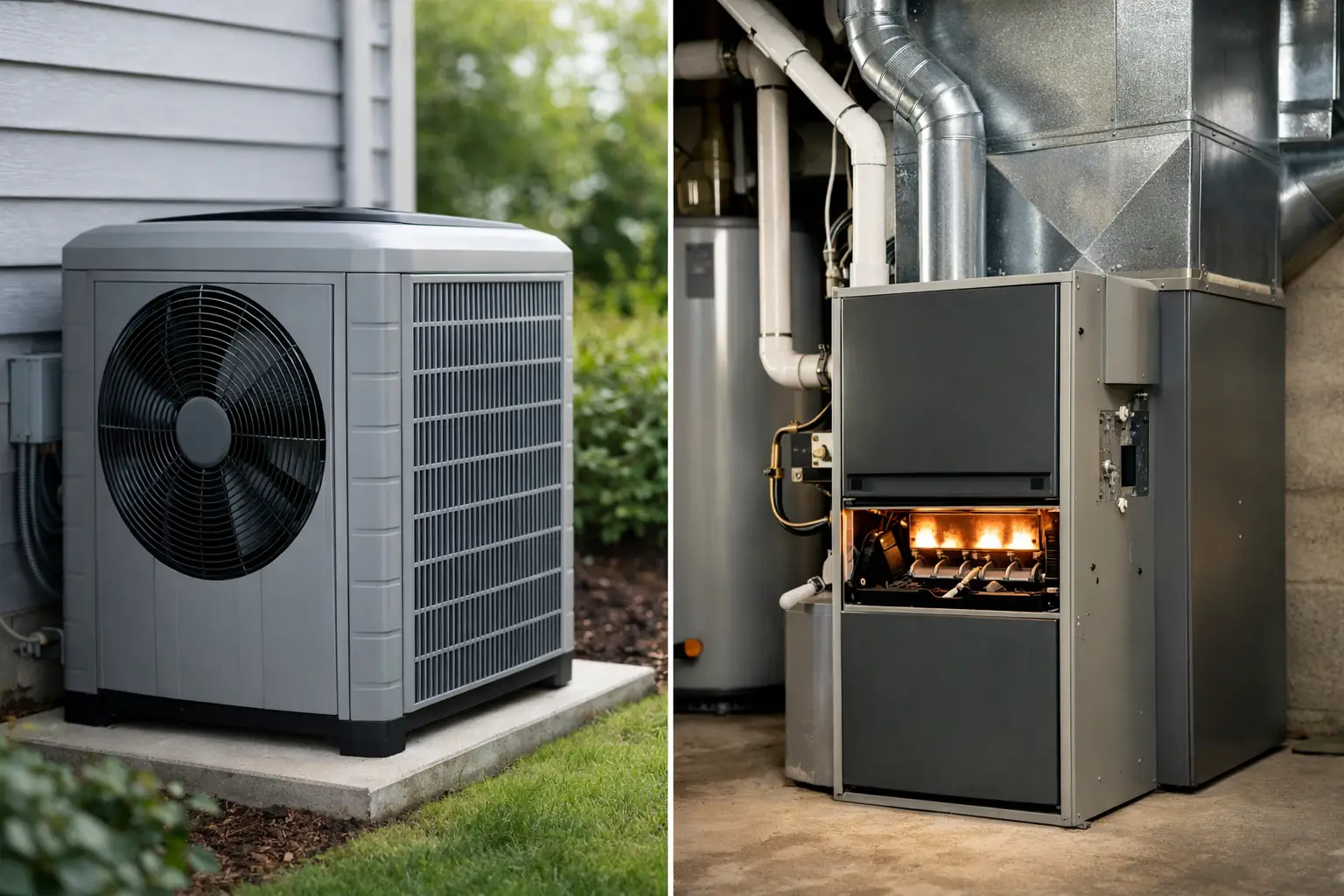
Heat pump versus furnace: the basic difference
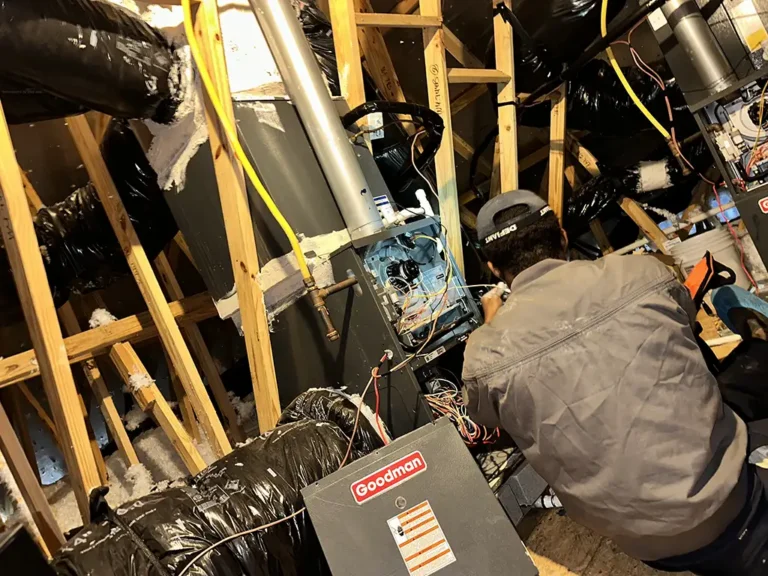
A furnace creates heat. Depending on the setup, it burns fuel or uses electric resistance heating, then pushes warm air through your ductwork. When it turns on, the air coming from the vents usually feels hot and strong.
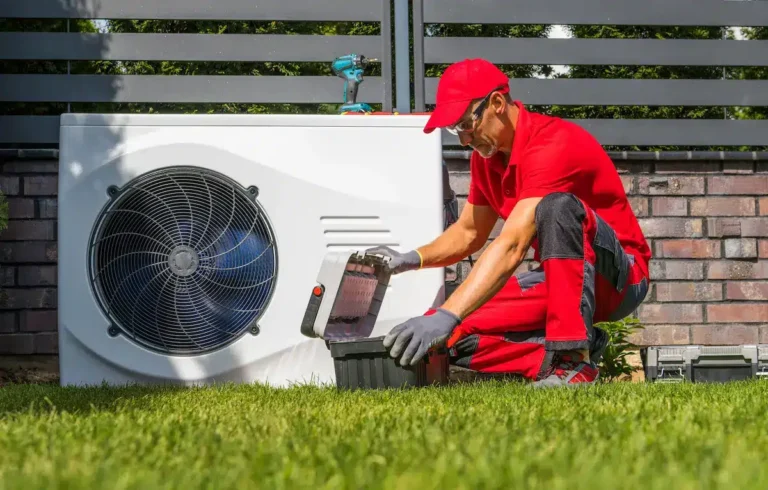
A heat pump works differently. It does not create heat in the same direct way during normal operation. Instead, it moves heat from outside air into your home. In cooling season, it reverses direction and removes heat from your house like an air conditioner.
That one detail changes a lot. A furnace is a dedicated heating system. A heat pump handles both heating and cooling. For some property owners, that makes a heat pump especially attractive because one system does two jobs.
How each system feels in everyday use
Home comfort is not just about the thermostat setting. It is also about how the system delivers heat.
A furnace tends to heat quickly. If your house feels cold, a furnace can raise the indoor temperature fast, and the air from the vents usually feels noticeably warm. Many people associate that blast of hot air with comfort because it feels immediate.
A heat pump usually runs longer cycles and supplies air that feels warmer than room temperature but not as hot as furnace air. That can surprise homeowners who are used to a furnace. The house may still be comfortable, but the heating feels steadier and less intense.
Neither approach is automatically right or wrong. If you prefer gradual, even operation, a heat pump may feel more balanced. If you want stronger heat output during colder mornings, a furnace often matches that expectation better.
Where a heat pump makes sense
Heat pumps have become a strong option for many homes because they are efficient in moderate climates and provide both heating and cooling. In an area like the Midlands, where winters are usually not extreme for long stretches, that matters.
Because a heat pump transfers heat rather than generating it in the traditional sense, it can be very effective during mild and cool weather. That fits a lot of South Carolina winter days. If your current system is aging and you also need air conditioning performance, a heat pump can simplify your setup by covering both seasons with one primary system.
Heat pumps can also pair well with newer homes, tighter building envelopes, and households that value consistent indoor temperatures. If your ductwork is in good shape and the system is properly sized, a heat pump can deliver reliable comfort without the sharp temperature swings some people notice with oversized equipment.
The catch is cold-weather performance. Heat pumps lose efficiency as outdoor temperatures drop. Modern systems are much better than older ones, but very cold conditions can still require supplemental heat. That does not mean they stop working. It means they may need backup support to keep up during the harshest stretches.
Where a furnace makes sense
A furnace is often the better fit when dependable high-heat output is the top priority. If your home gets chilly fast, has insulation challenges, or has rooms that are hard to keep warm, a furnace can bring a level of heating power that many homeowners appreciate.
Furnaces are also a logical choice when a property already has the right fuel connection and a history of furnace heating. In some homes, switching to a heat pump may involve broader system changes, while replacing an older furnace with a newer furnace keeps the setup familiar and straightforward.
Another advantage is performance during cold snaps. When temperatures dip hard, a furnace is built for that job. It does not rely on pulling warmth from outdoor air. It generates heat and delivers it directly, which can provide peace of mind for families who do not want to wonder how the system will respond on the coldest nights of the season.
For some commercial spaces and larger homes, that stronger heating capability can also be important, especially if the building has high ceilings, frequent door openings, or a layout that loses heat quickly.
Efficiency depends on climate and system design
People often ask which is more efficient, but the real answer is more specific than that.
In mild winter conditions, a heat pump often has the efficiency edge. It is using electricity to move heat rather than generate it, and that can be a very effective approach when outdoor temperatures stay within a workable range.
In colder conditions, that advantage narrows. As the outdoor air gets colder, the heat pump has to work harder to extract usable heat. If auxiliary heat turns on often, overall efficiency can drop.
A furnace’s efficiency depends on the unit type, the condition of the equipment, airflow, duct leakage, and how well the home holds heat. So the “winner” is not always determined by the equipment alone. Installation quality, maintenance, insulation, thermostat settings, and duct performance all matter.
That is one reason a home-specific evaluation matters more than broad online claims. A system that performs well in one house may be the wrong fit in another.
Heat pump versus furnace for repairs and maintenance
Both systems need regular professional maintenance if you want dependable operation.
A furnace should be inspected for safe operation, burner performance if applicable, airflow issues, ignition problems, and wear on parts that affect heating reliability. Heat pumps need attention too, but because they operate year-round for both heating and cooling, they often experience more continuous use. That makes routine service especially important.
From a service standpoint, neither option should be treated as install-and-forget equipment. Filters still need changing. Airflow still matters. Thermostat settings still affect performance. Small issues can turn into comfort problems quickly when a system is under seasonal demand.
If your goal is to avoid surprise breakdowns, consistency matters more than system type. The best equipment will still struggle if it is neglected.
What about dual-fuel systems?
There is another option that often gets overlooked in the heat pump versus furnace conversation: a dual-fuel system.
This setup combines a heat pump with a furnace. The heat pump handles heating during milder weather and switches over when outdoor temperatures drop enough that furnace heat makes more sense. You get the day-to-day efficiency benefits of a heat pump and the stronger cold-weather backup of a furnace.
For some homes, that balance is ideal. It can be especially useful in climates with mixed winter conditions where one week is mild and the next brings a hard freeze. Instead of forcing one system type to cover every condition perfectly, dual fuel lets each component do what it does best.
This is not necessary for every property, but it is worth considering if you want flexibility and your home is a good candidate for that type of setup.
Questions that help narrow the choice
Before choosing a system, it helps to look beyond the equipment label. Ask how well your current home holds heat, whether your ductwork is in good condition, how often your area sees true cold-weather strain, and whether you also need to replace aging cooling equipment.
It also helps to think about comfort preference. Some homeowners want fast, hotter airflow. Others care more about even operation and year-round versatility. A family with an older drafty home may land in a different place than the owner of a newer, tighter home with modern insulation and good airflow design.
This is where a professional load calculation and system assessment matter. Oversized or undersized equipment can create comfort issues no matter which type you choose.
The best choice is the one that fits the building
There is no one-size-fits-all answer to heat pump versus furnace. A heat pump can be an excellent fit for efficient, all-in-one comfort in a moderate climate. A furnace can be the stronger choice when you need powerful heating performance and confidence during colder weather.
The right decision starts with the building itself, not a generic recommendation. If you are planning a replacement, it is worth having the home, ductwork, and comfort needs evaluated carefully so the system you choose does the job well on the days you need it most. That is how comfort stays reliable long after installation day.