Emergency Plumbing Services That Act Fast
A burst pipe at 2 a.m. does not give you time to compare options, read fine print, or hope the leak slows down on its own. When water is spreading across a floor, a toilet is backing up into a bathroom, or a water heater is leaking into a utility room, emergency plumbing services matter because every minute can mean more damage, more disruption, and more risk to your home or building.
For homeowners and property managers, the real challenge is knowing what qualifies as an emergency and what can wait until regular business hours. Not every plumbing issue needs an immediate dispatch, but some absolutely do. The difference comes down to safety, water damage, sanitation, and whether the plumbing failure is actively affecting your ability to use the property.
What counts as an emergency plumbing issue?
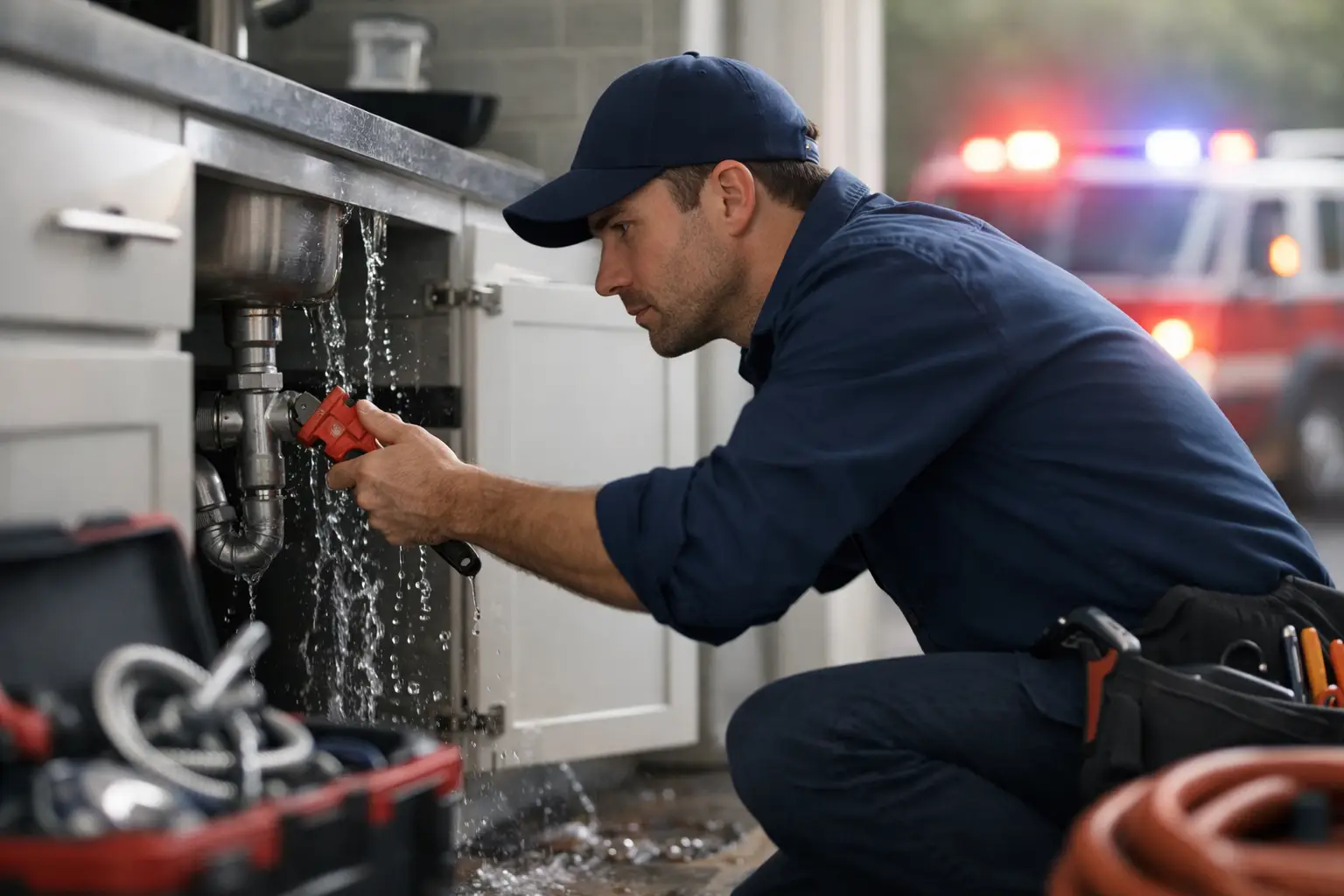
A plumbing emergency is usually any problem that is causing active damage, creating a health hazard, or shutting down a critical part of the building. A burst pipe is the obvious example, but it is far from the only one. Severe drain backups, overflowing toilets that will not stop, major slab leaks, sewer line problems, and sudden water heater failures can all require immediate attention.
Gas-related issues connected to plumbing systems are also urgent. If you suspect a gas leak near a water heater, boiler, or gas line, that is not a wait-and-see situation. The same goes for a loss of water supply that affects the whole property, especially in a commercial setting where restrooms, kitchens, or tenant spaces need to stay operational.
Some issues feel urgent but are less critical. A dripping faucet, a slow drain in one sink, or a toilet that occasionally runs is frustrating, but it usually does not require after-hours service. That said, context matters. A small leak under a sink may be manageable in one house but become a bigger issue in a medical office, restaurant, or occupied rental unit.
Why fast emergency plumbing services matter
Water has a way of turning a contained issue into a larger repair. Drywall absorbs it. Flooring traps it. Cabinets swell. Electrical hazards can develop if water reaches outlets, wiring, or appliances. The longer the source continues, the more the damage spreads beyond the pipe, fixture, or appliance that failed.
There is also the sanitation side of the problem. Sewer backups and overflowing toilets are not just inconvenient. They can expose occupants to contaminated water and make bathrooms or work areas unusable. In commercial buildings, that can affect staff, customers, and daily operations almost immediately.
Fast response matters for another reason too. The first goal in an emergency is not always a full repair on the spot. Sometimes it is isolating the problem, stopping active damage, and stabilizing the system so a permanent solution can be completed safely. That kind of triage work is what experienced emergency service is built to handle.
What to do before the plumber arrives
The most helpful first step is shutting off water if you can do it safely. For a localized problem, that may mean closing the shutoff valve under a sink or behind a toilet. For a broken supply line, burst pipe, or major leak, it may mean turning off the main water supply to the building.
If the problem involves a water heater, shut off the unit if you know how. If there is any concern about gas, leave the area and follow proper safety procedures right away. Do not try to diagnose gas issues on your own.
Next, move what you can out of harm’s way. Towels, buckets, and basic containment can help reduce spread, but they are not a fix. If water is near electrical components, stay clear of the area until it can be assessed safely.
It also helps to note where the issue started, when you first noticed it, and whether the problem is getting worse. That information helps a technician arrive prepared. A dependable service team will ask the right questions and guide you through immediate steps while help is on the way.
Common emergency calls in homes
Residential plumbing emergencies tend to follow a few familiar patterns. Burst or frozen pipes are a major one, especially when temperatures swing and weak sections of pipe finally give way. Water heater leaks are another common call because they often start quietly, then quickly become a flooding risk.
Clogged sewer lines can show up through multiple drains backing up at once, gurgling toilets, or wastewater appearing in tubs and showers. Those signs usually point to a deeper system issue, not a simple fixture clog. In homes with older plumbing or mature trees nearby, sewer line trouble can escalate quickly.
Overflowing toilets are also high on the list, particularly when there is only one functioning bathroom in the house. Even if the cause seems simple, repeated overflow or backup suggests a larger blockage that needs professional equipment and diagnosis.
Emergency plumbing services for commercial properties
Commercial plumbing emergencies add another layer of urgency because downtime affects more people. A restaurant with a blocked drain line, an office with unusable restrooms, or a retail space with a major leak cannot afford to let the problem sit. Health codes, customer safety, and daily operations all come into play.
Property managers face a similar challenge. One plumbing failure can affect multiple units, common areas, or tenant relationships at once. In those situations, response speed matters, but so does clear communication. Commercial decision-makers need a service partner that can assess the issue, protect the property, and coordinate next steps without creating confusion.
That is one reason many building owners prefer a full-service mechanical company rather than juggling separate vendors. When plumbing problems intersect with water heaters, boilers, gas lines, or building systems, it helps to have one certified team that understands how those systems work together.
What good emergency service should look like
Not all emergency response is equal. A strong provider does more than answer the phone after hours. They show up prepared, communicate clearly, and focus first on protecting the property and the people inside it.
You should expect a technician to identify the immediate source of the problem, explain what is happening in straightforward terms, and recommend the right next step based on the severity of the issue. Sometimes that means a same-visit repair. Other times it means containing the emergency and scheduling follow-up work if special parts, access, or restoration steps are needed.
Experience matters here. Emergency work is often messy, time-sensitive, and unpredictable. An established company with certified technicians is better positioned to diagnose quickly and avoid temporary fixes that miss the root cause. In the Midlands, homeowners and businesses often need that balance of urgency and professionalism, which is why companies like Kay Plumbing, Heating & Cooling have built trust around being available when systems fail at the worst possible moment.
How to reduce the chance of another plumbing emergency
No plumbing system is immune to failure, but many emergencies start with warning signs that were easy to overlook. Recurring drain clogs, fluctuating water pressure, rust-colored water, unusually high water use, damp spots, and noises in the pipes are all worth checking before they turn into after-hours calls.
Routine maintenance makes a difference, especially for water heaters, exposed piping, shutoff valves, and older drain lines. Commercial properties benefit even more from preventative attention because heavy daily use tends to expose weak points faster. For homes, the goal is usually peace of mind. For businesses, it is often continuity.
It also helps to know where your main shutoff is before anything goes wrong. That simple step saves time when a pipe breaks or a fixture fails. In many emergencies, the faster the water stops, the better the outcome.
Emergency plumbing services are not just about repairing what broke. They are about restoring safety, stopping damage, and getting your home or building back under control when the situation cannot wait. When you know what qualifies as urgent and who to call, a bad plumbing day stays a disruption instead of becoming a disaster.