Signs It’s Time to Replace Your Commercial Water Heater
Commercial water heaters tend to stay out of sight and out of mind. But when they start acting up, everyone notices. From employees losing hot water during work hours to tenants filing complaints about cold showers, problems with these systems can seriously affect day-to-day operations.
We often see people call for commercial water heater repair several times before realizing a better long-term solution exists. The thing is, these systems do not last forever. Replacing a commercial water heater might seem like a big step, but in some cases, it is the smarter and more cost-effective choice. Knowing what signs to look for helps you make that call before the system fails entirely.
Inconsistent or No Hot Water
If you are hearing more complaints from people in the building about hot water cutting out or not working at all, you may be dealing with one of the first major red flags. Inconsistent hot water often points to deeper trouble inside the system, not just a one-time hiccup.
Here’s what to watch out for:
- Hot water cuts out during peak use times, like mornings or lunch rushes
- Lukewarm water comes out instead of the usual temperature
- Tanks take longer to reheat, or some areas never seem to get the right temperature
In buildings where water heaters are working overtime, spotty performance like this can wear down trust quickly. Calling for repeated commercial water heater repair might not fully fix the issues if the system is already struggling to keep up.
Visible Damage or Leaks
Sometimes, clues that it is time to replace your water heater show up on the outside. Older units often begin to show visible signs of wear, and those signals should not be ignored.
If you notice anything from this list, your system could be close to the end:
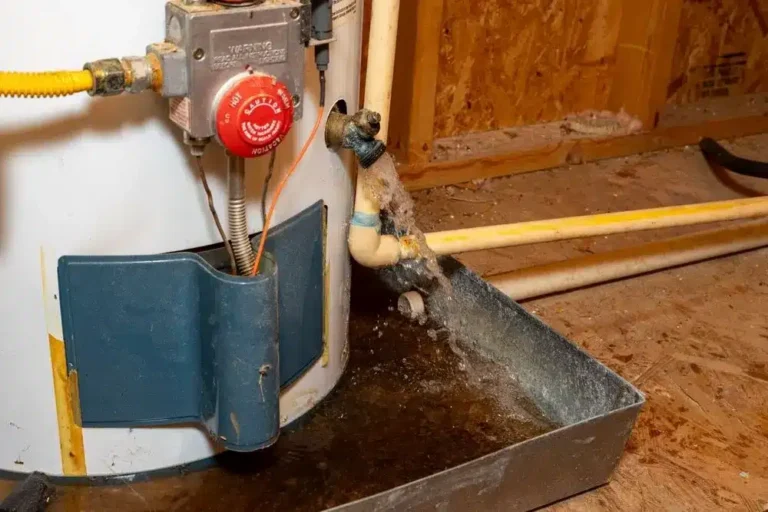
- Water pooling underneath the tank or steadily dripping from pipes
- Rust or white corrosion forming along the base or connector joints
- Faint stains around nearby walls or floors where water has sprayed or collected
Leaks and corrosion mean the metal is breaking down. Minor damage might be patched for a while, but the more corrosion you see, the less likely it is that repairs will last.
Strange Noises That Do Not Go Away
It is easy to overlook noises if they seem harmless at first. But popping, banging, or rumbling sounds from a commercial water heater usually point to something more serious inside the tank.
Usually, noises like this mean sediment has built up at the bottom of the tank over time. If flushing the tank does not clear things out, or if the same noises return just days after a commercial water heater repair, it is a good sign the unit is nearing the end of its useful life.
These sounds do not just mean annoyance. When a heater is clogged with buildup, it has to work harder and longer, putting extra pressure on aging tanks and parts.
Age and Ongoing Issues
Every commercial water heater has a useful life, and most start slowing down after 10 to 15 years depending on how they were maintained. Once you hit that mark, the warning signs tend to stack up faster.
You may notice:
- Heat elements wearing out or needing replacement more often
- Control issues with valves or thermostats
- More service visits each season for similar issues
When problems start popping up one after another, it usually means the system is wearing out altogether instead of just one part falling short. Repairing the same type of problem over and over suggests that the unit is no longer reliable enough for daily use.
Regular maintenance and careful observation can provide valuable insight into the system’s longevity. It is important to keep proper records of service visits and monitor performance changes over time. This ongoing evaluation helps to determine the optimal time for replacement, ensuring safety and efficiency without unexpected breakdowns. These proactive steps enhance reliability and contribute to the overall performance of the heating system.
Utility Bills Keep Climbing
Old or struggling water heaters do not just cause service headaches. They can quietly add to building costs through higher energy bills, even if water use stays steady.
This often shows up through:
- Slower recovery times, requiring more energy to reheat tanks
- Higher monthly utility bills without any change in demand
- Trouble keeping up with newer energy efficiency expectations
If everything else in your building runs the same but bills keep creeping up, it might be time to look at your water heater as the source. In some cases, replacing the system can bring back the energy efficiency your building once had years ago.
Why Replacing Your Water Heater Can Pay Off
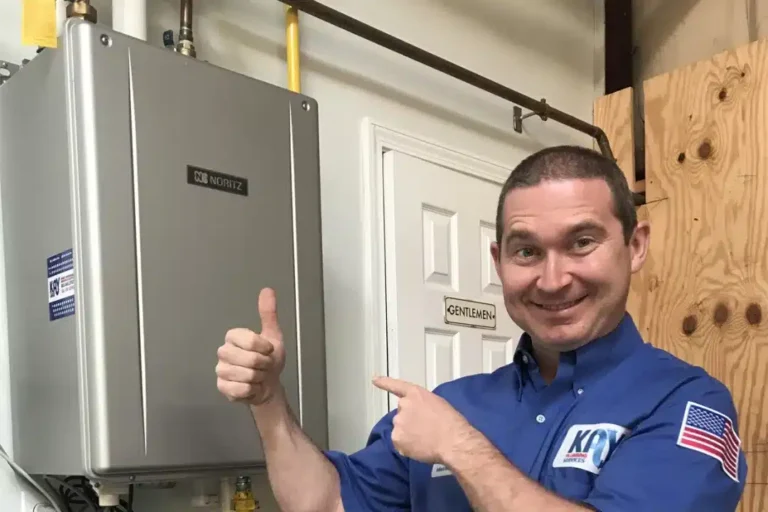
Replacing a commercial water heater is not always a quick fix, but it brings longer-term peace of mind. A new system can work more quietly, cleanly, and predictably. For business owners and facility managers, that often means fewer downtime incidents and less worry about emergency repairs.
Here’s what you usually gain with a new system:
- More reliable hot water with fewer surprise outages
- Lower energy use and shorter reheating times
- Better performance during peak use hours
Commercial water heaters are a backbone system, and when they stop working well, everyone in the building feels the effects. Making the switch before a failure happens keeps your day running smoothly instead of scrambling to respond to emergencies. When the system’s warning signs start stacking up, it is worth considering what replacement might save you in time, cost, and frustration down the road.
When repairs no longer solve the issues with your building’s water heater, replacing the unit can help minimize downtime, reduce energy costs, and provide your property with reliable hot water. We specialize in helping businesses get efficient, hassle-free solutions that keep operations running smoothly, including expert commercial water heater repair. Call Kay Plumbing, Heating and Cooling today to find out how we can support your business.