7 Unmistakable Hard Water Signs in Lexington Homes (and How to Fix It)
If you live in Lexington, Columbia, or anywhere around the Midlands, your tap water travels through granite-rich soil before reaching your home. While this water is safe to drink, high levels of dissolved calcium and magnesium create severe hard water issues. Over time, these unseen minerals cause scale buildup that damages your plumbing lines and appliances. Recognizing early hard water signs in your home lets you fix the problem before it leads to costly repairs or premature equipment failure.
Here are 7 common hard water signs every Lexington homeowner should watch for.
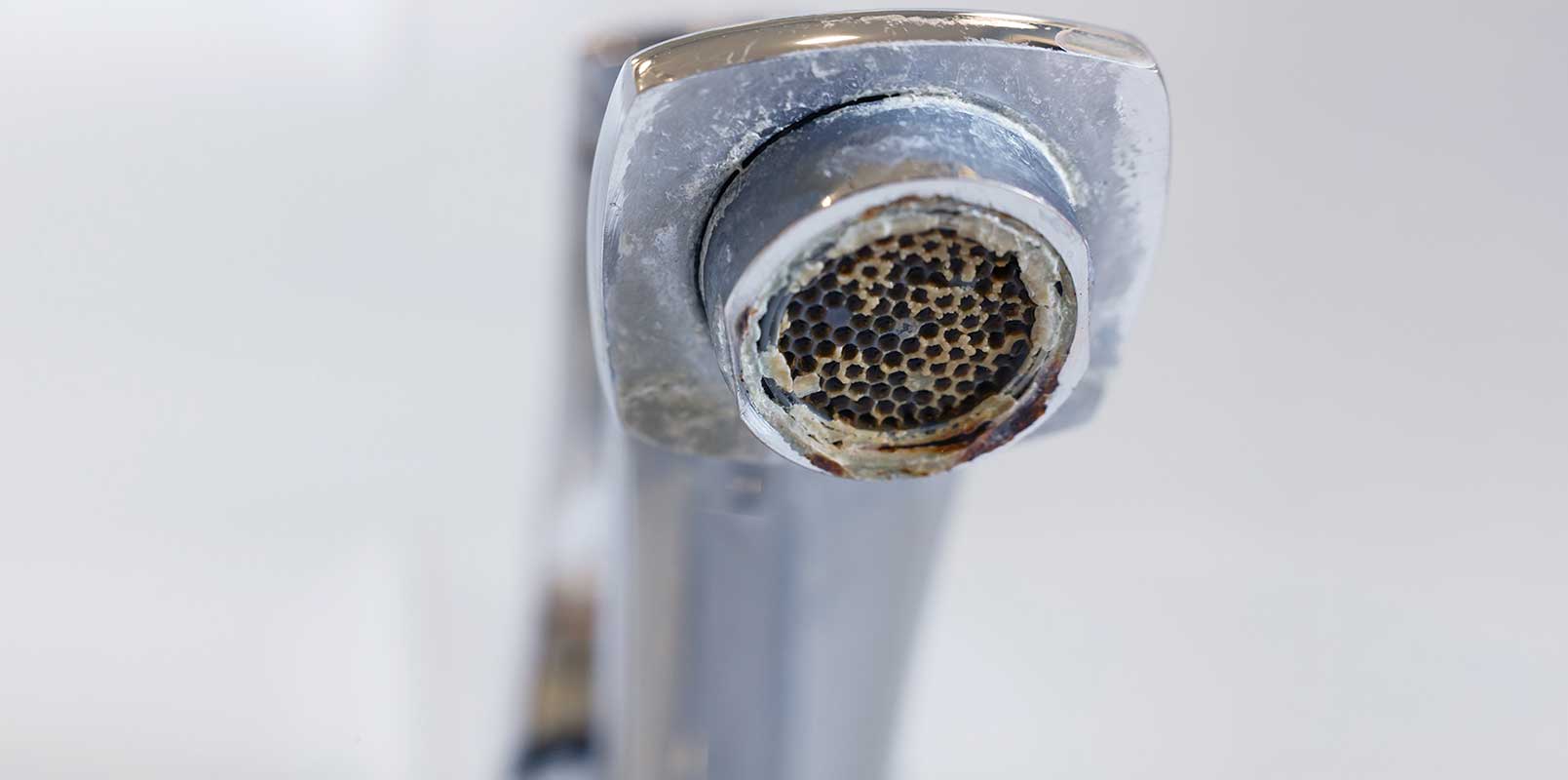
1. White Limescale Crust on Faucets (One of the Top Hard Water Signs)
The Sign: A stubborn, powdery white or grayish ring coating the tip of your bathroom faucets, kitchen sprayers, or showerhead nozzles.
Why It Happens: As hard water evaporates, it leaves behind solid calcium carbonate deposits (limescale). Over time, this buildup restricts water flow through your aerators, resulting in uneven spray patterns and reduced water pressure at individual fixtures.
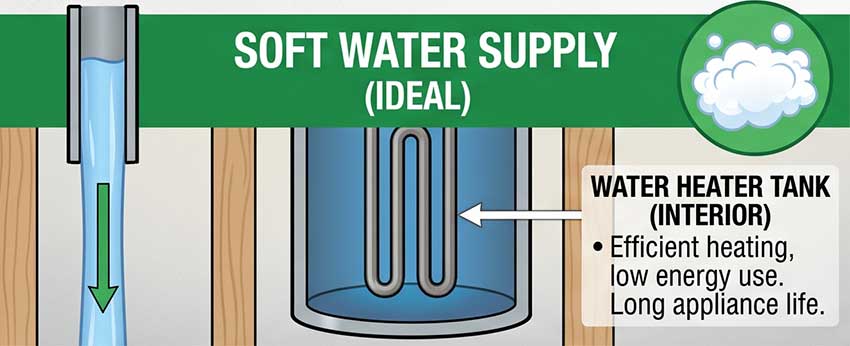
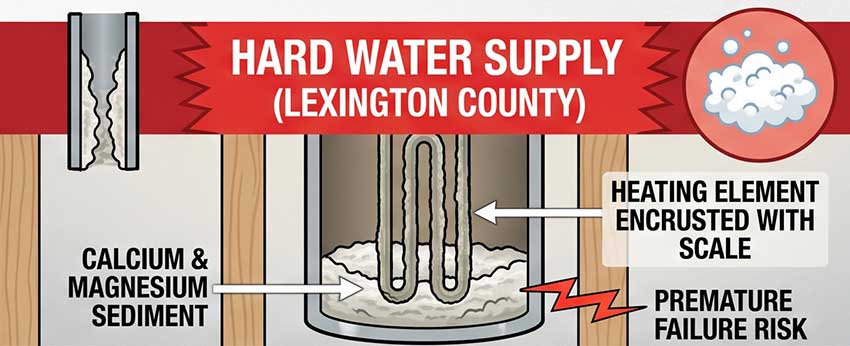
The long-term impact of calcium and magnesium mineral scale on home appliances:




2. Soap Scum That Won’t Scrub Away
The Sign: A dull, sticky film coating your glass shower doors, tile walls, and bathtub basins, even right after you’ve cleaned. Persistent soap scum on shower doors and tub walls is one of the most frustrating hard water signs in the bathroom.
Why It Happens: Calcium and magnesium chemically react with standard soap ingredients, preventing the soap from dissolving completely. Instead of forming a rich lather, it creates a sticky curd that clings to surfaces and requires harsh chemical cleaners to remove.
3. Stiff, Faded Laundry and Scratchy Towels
The Sign: Freshly washed bath towels feel rough and scratchy against your skin, or your dark clothes fade quickly and look dingy.
Why It Happens: Hard water minerals get trapped inside fabric fibers during the wash cycle. This prevents detergent from rinsing clean, leaving clothes stiff, weakening fabric fibers, and causing detergent residue to dull vibrant colors.
4. Dry, Itchy Skin and Dull Hair
The Sign: If your skin feels tight and itchy after bathing, don’t overlook it; it is one of the subtle physical hard water signs caused by mineral residue.
Why It Happens: Just as hard water leaves a film on shower doors, it leaves a microscopic mineral layer on your skin and hair. This residue clogs pores, strips natural oils, and prevents moisturizers and conditioners from absorbing effectively.
5. Spotty Glassware and Film on Dishes
The Sign: Clear drinking glasses come out of the dishwasher looking cloudy, hazy, or covered in white water spots.
Why It Happens: High temperatures inside your dishwasher cause mineral salts to precipitate out of the water and bake directly onto your dishes during the drying cycle.
6. Slow Water Heating & Water Heater Failure: Two Costly Hard Water Signs
The Sign: Your water heater takes longer to heat water, makes popping or rumbling sounds while heating, or fails years before its expected lifespan.
Why It Happens: Heating hard water accelerates mineral precipitation. In standard tank water heaters, calcium settles at the bottom as a thick layer of sediment, forcing the burner to heat through a blanket of rock before it can heat the water. In tankless water heaters, scale coats the heating elements, leading to overheating and system shutdowns.
7. Gradual Pressure Drops: A Hidden Hard Water Sign Inside Pipes
The Sign: A gradual, home-wide drop in water pressure across multiple sinks, showers, and appliances.
Why It Happens: While a clogged aerator affects a single faucet, scale buildup inside older galvanized or copper supply pipes narrows the line’s internal diameter, much like clogged arteries restrict blood flow.
Quick Diagnostic Summary: Identifying Signs of Hard Water in Your Plumbing System
Use this quick diagnostic table to match the hard water signs you see in your home with their underlying plumbing causes:
|
Symptom / Sign |
Cause |
Long-Term Plumbing Impact |
|---|---|---|
|
White crust on aerators |
Evaporated calcium deposits |
Restricts fixture flow; ruins finishes |
|
Cloudy glassware & soap scum |
Mineral reaction with detergents |
Higher soap/detergent usage |
|
Rumbling water heater |
Sediment scale buildup on heating element |
Premature element burn-out; high energy bills |
|
Home-wide low water pressure |
Internal pipe scale accumulation |
Restricted water flow; potential pipe replacement |
How to Protect Your Lexington Home from Hard Water Damage
If you recognize these hard water signs in your home, simple surface cleaning will only provide temporary relief. The most effective way to eliminate mineral scale across your entire home is by addressing the water at its entry point:
Schedule a Home Water Test with Kay Plumbing
What to Do If You Notice These Hard Water Signs?
Ignoring the hard water signs in your home can lead to expensive appliance replacements and clogged piping down the road. If you recognize any of these hard water signs in your Lexington home, simple surface cleaning won’t solve the root cause.
Kay Plumbing, Heating & Cooling offers comprehensive water testing and professional water softener installations across Lexington and Richland County. Contact us today at (803) 445-3707 to evaluate the signs of hard water in your home!