ADA-Compliant Restroom Plumbing: A Columbia Business Owner’s Guide to Accessibility Upgrades
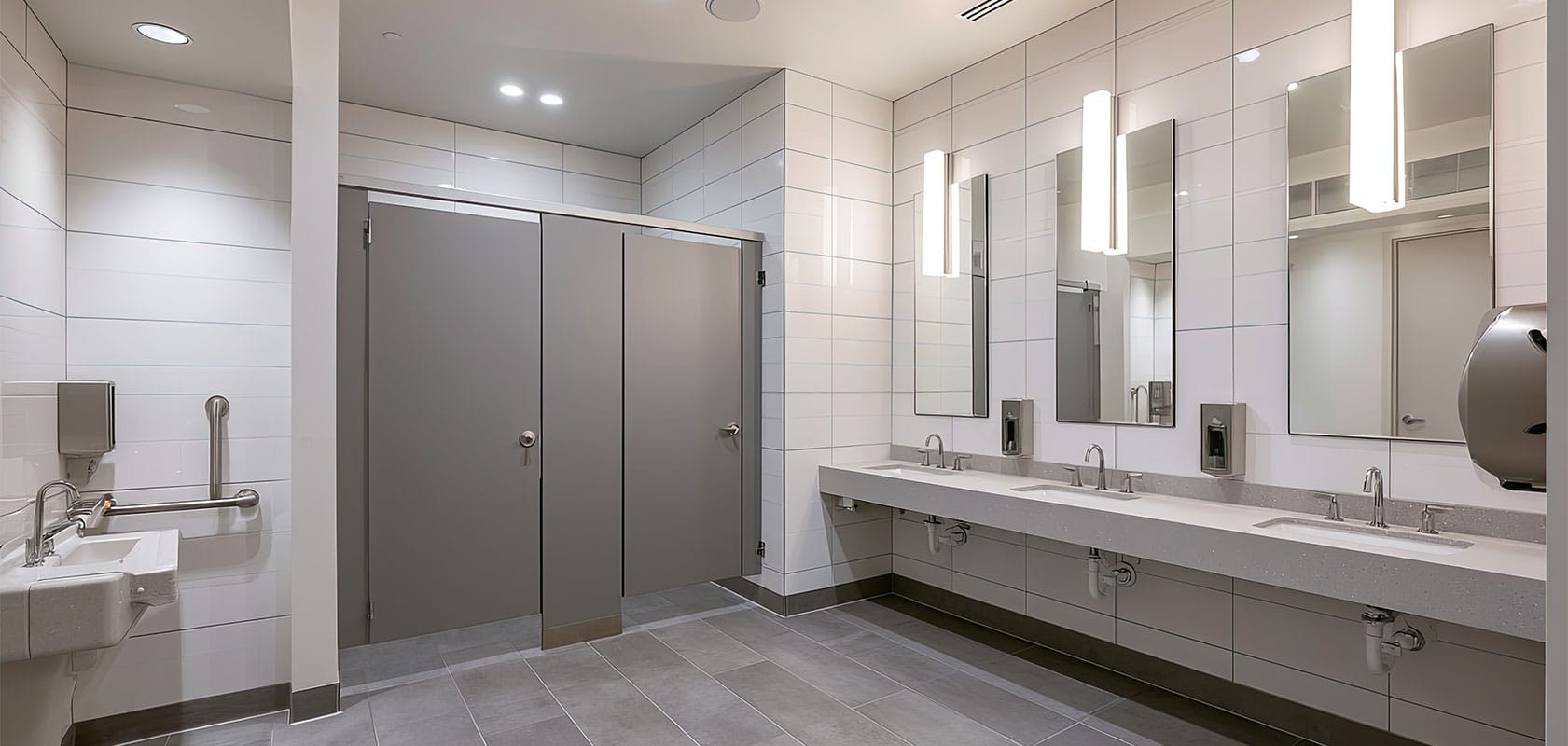
ADA-compliant restroom plumbing helps businesses create safer, more accessible facilities for customers, employees, and visitors. Whether you’re renovating an existing building or planning a new commercial space, properly designed restroom plumbing can improve accessibility, support code compliance, and provide a better experience for everyone who uses your facility.
Commercial restrooms do more than provide convenience; they reflect your business’s commitment to safety, accessibility, and customer service.
Whether you own a restaurant in Lexington, manage a medical office in Columbia, oversee an apartment complex in West Columbia, or operate a retail business anywhere in the Midlands, restroom accessibility should be part of your long-term facility planning.
Many business owners don’t realize that plumbing fixtures, clearances, and restroom layouts all play an important role in accessibility. Planning these upgrades correctly from the beginning helps avoid costly changes later and creates a welcoming environment for employees, customers, and visitors alike.
What Does ADA-Compliant Restroom Plumbing Mean?
The Americans with Disabilities Act (ADA) establishes accessibility requirements for public accommodations and many commercial facilities. While ADA compliance involves more than plumbing alone, plumbing fixtures are a critical part of an accessible restroom.
Depending on the building type and renovation scope, restroom improvements may include:
Each project is unique, which is why commercial restroom upgrades should be planned in collaboration with qualified plumbing professionals and design teams familiar with accessibility requirements.
Why Businesses Are Upgrading Commercial Restrooms
Accessibility isn’t just about meeting requirements. It’s about creating a better experience for everyone who walks through your doors.
Businesses often renovate restrooms to:
For many businesses throughout Columbia and Lexington, restroom improvements are part of larger renovation or remodeling projects.
Industries That Frequently Need ADA-Compliant Restroom Plumbing Upgrades
Commercial restroom improvements are common across many industries, including:
Each type of facility presents unique plumbing challenges that should be considered during project planning.
Beyond Compliance: The Benefits of Modern Commercial Plumbing Fixtures
Many accessibility upgrades also improve everyday restroom performance.
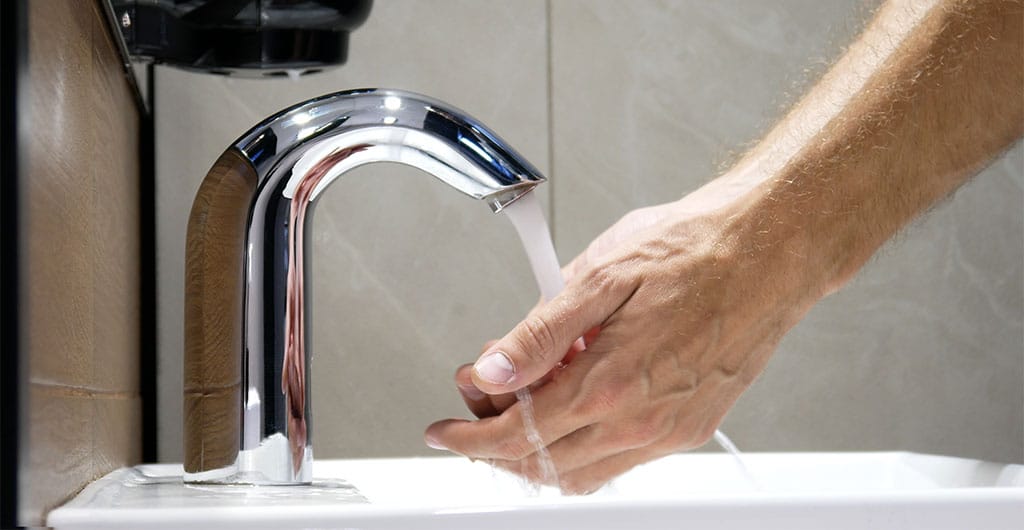
Touchless Faucets
Touchless fixtures can help reduce water waste while providing a convenient user experience.
Commercial Flush Valves
Modern commercial flush valves are designed for durability and reliable performance in high-traffic facilities.
Water-Efficient Fixtures
Replacing older fixtures with modern, high-efficiency models may reduce water consumption without sacrificing performance.
Easier Maintenance
Many newer commercial plumbing fixtures are designed with serviceability in mind, making routine maintenance more efficient for facility managers.
Quick Fact
Many businesses choose to complete ADA restroom improvements at the same time as plumbing renovations to reduce downtime and avoid making multiple construction projects out of separate upgrades.
Common Plumbing Upgrades During ADA Restroom Renovations
Every project is different, but commercial plumbing renovations often include:
Accessible Lavatories
Proper sink height and knee clearance help improve accessibility for wheelchair users.
Faucet Replacement
Lever-operated, sensor-activated, or other accessible faucet controls can improve ease of use.
Toilet Replacement
Fixture placement, flush controls, and surrounding clearances all contribute to restroom accessibility.
Water Supply Relocation
Some renovations require relocating supply lines or drains to accommodate new fixture layouts.
Drain and Vent Modifications
When restroom layouts change, drain and vent systems often need to be modified to support the new configuration.
Pipe Protection
Exposed hot water and drain piping beneath accessible sinks may require protective covers to help prevent accidental contact.
Myth vs. Truth
Myth: ADA compliance only matters when constructing a brand-new building.
Truth: Accessibility improvements are frequently incorporated into renovations, tenant improvements, and remodeling projects. Requirements vary depending on the project, so business owners should consult qualified professionals during planning.
Planning a Commercial Restroom Renovation?
One of the biggest mistakes businesses make is waiting until construction begins before involving a plumbing contractor. Early planning allows the plumbing system to be coordinated with architects, general contractors, and other trades before walls are opened or fixtures are ordered.
This often helps:
For occupied buildings, careful planning can also reduce disruption for customers and employees.
What Kay Plumbing Sees During Commercial Renovations
Many commercial plumbing projects begin with what appears to be a simple fixture replacement.
Once existing plumbing is exposed, technicians often discover aging water lines, outdated drain configurations, or previous modifications that no longer support the building’s current needs. Addressing these issues during the renovation is typically more efficient than reopening finished walls after construction.
That’s why early plumbing involvement is one of the most valuable investments a business owner can make before starting a restroom upgrade.
Local Tip
Many commercial buildings throughout Columbia, West Columbia, Cayce, and Lexington were constructed before today’s accessibility standards became common. During commercial plumbing renovations, Kay Plumbing often finds that updating restroom plumbing and improving accessibility at the same time helps property owners avoid additional construction costs while creating a more functional space.
Planning an Accessible Restroom Starts with the Right Plumbing Partner
A successful commercial restroom renovation begins long before new fixtures are installed.
Working with an experienced commercial plumbing contractor early in the planning process helps ensure your plumbing system supports your renovation goals, accommodates accessibility requirements, and minimizes costly surprises during construction.
Since 2008, Kay Plumbing, Heating & Cooling has helped South Carolina businesses complete commercial plumbing projects ranging from restroom renovations to new plumbing installations. Our licensed commercial plumbing team understands the importance of designing systems that support accessibility, long-term reliability, and local code compliance.
Whether you’re renovating an office, restaurant, healthcare facility, retail space, or other commercial property, we’re here to help.
Call (803) 445-3707 to discuss your next commercial plumbing project in Columbia, Lexington, West Columbia, Irmo, Chapin, and surrounding Midlands communities.