How to Fix a Clogged Sink Drain (Without Ruining Your Pipes)
If you’re standing at your kitchen or bathroom sink watching water pool around your basin, you aren’t alone. Dealing with a clogged sink drain is one of the most frustrating, daily disruptions a homeowner can face. Luckily, clearing a clogged sink drain is the bread and butter of what we handle here at Kay Plumbing.
It’s important to note that how you address the clog in the first few minutes can be the difference between a simple fix and a costly repair.
As a family-owned team of Certified Master Plumbers serving Lexington, Columbia, and the Midlands, we see the same drainage mistakes week after week. Let’s look at what is actually causing that stubborn clog, how to safely clear it yourself, and when it’s time to put down the wrench.
What Actually Causes a Clogged Sink Drain?
Drains clog for completely different reasons depending on the room you’re in.
1. The Kitchen Enemy: The “Fatberg”
It’s a common misconception that a garbage disposal can handle anything placed in it. Kitchen clogs are almost always caused by FOG (Fats, Oils, and Grease) combined with starchy foods (like pasta, rice, or potato peels) and coffee grounds.
- The Master Plumber Reality Check: Liquid grease might look harmless when it’s hot, but the second it hits your cold underground pipes, it solidifies into a wax-like dam. Then every piece of food debris gets trapped in it until your pipe is completely clogged.
2. The Bathroom Enemy: The Hair Matrix
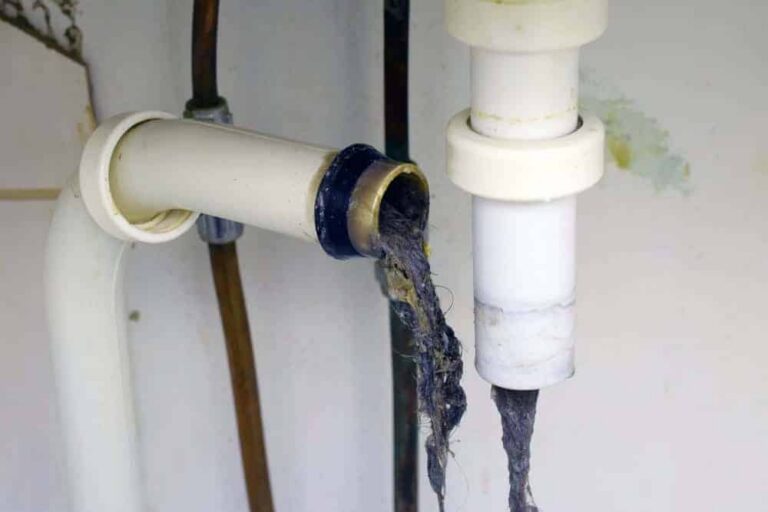
Bathroom sinks don’t deal with grease, but they deal with something worse: hair bonded by soap scum. Every time you shave, brush your hair over the sink, or wash off heavy moisturizers and toothpaste, you leave a sticky residue that traps loose hair. Over months, this creates an impenetrable web right around your sink’s pop-up stopper.
3 Safe Ways to Clear a Clogged Sink Drain Yourself
Before you go online to look up a plumber, try these three safe steps.
1. The Boiling Water Flush (Kitchen Only): Best for grease.
If your kitchen sink is draining slowly but isn’t completely filled with standing water, dump a full kettle of boiling water straight down the drain. This can liquefy hardened fats and wash them away down the main sewer line. Do not do this if you have plastic PVC pipes visible under the sink, as boiling water can soften the joints.
2. The Baking Soda & Vinegar Reaction: Best for light soap scum.
Pour 1/2 cup of baking soda down the dry drain, followed by 1/2 cup of white vinegar. Cover the drain with a plug and let it fizz for 15 minutes. Flush it with hot tap water. This mild chemical reaction breaks down light organic matter without destroying your pipes.
3. Clean the P-Trap: Best for bathroom sinks.
Place a bucket under the U-shaped pipe (the P-trap) beneath your sink. Unscrew the two slip nuts by hand or with channel locks. Remove the pipe and clean out the hair and gunk that accumulates there. Reattach it, making sure the rubber seals are seated properly.

Field Report from our Master Plumbers: The Lexington Hard Water Factor
“One hidden culprit behind a recurring clogged sink drain in Lexington and Chapin homes is hard water mineral buildup. The Midlands has areas with high mineral content. Over ten or twenty years, calcium and magnesium form a rough crust inside your pipes, almost like clogged arteries. Even if you are very careful about what you put down the drain, that rough scale catches tiny bits of debris until the pipe is completely clogged. If you’re clearing the exact same sink clog every few months, the issue may be related to the size of your pipes, rather than a simple blockage
— Konrad Orzechowski, Owner & Master Plumber at Kay Plumbing
Signs Your Clog Has Migrated Deeper
If you try the steps above and nothing works, you are likely dealing with a blockage deeper in your home’s main drainage line. Watch out for these warning signs:
When these signs pop up, it’s time to call in a professional with a drain camera and commercial hydro-jetting gear before a messy backup occurs inside your home.
How a Professional Plumber Fixes a Clogged Sink Drain
When DIY methods fall short, and you have a completely locked-up system, it’s time to look at how a professional plumber clears a clogged sink drain. At Kay Plumbing, our certified team doesn’t just guess where the blockage is; we use specialized, commercial-grade equipment to locate the root cause and clear your pipes safely.
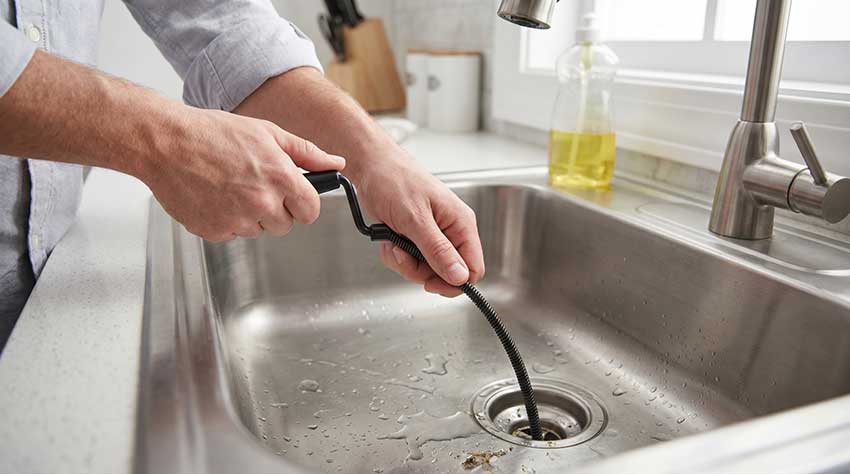
Depending on what is happening inside your plumbing system, we typically use one of three professional methods to resolve a stubborn clogged sink drain:
By bringing in a certified master plumber, you aren’t just getting a temporary band-aid for your clogged sink drain; you’re ensuring that the entire pipe diameter is safely cleared without causing accidental structural damage to your older home’s plumbing.
Need a Permanent Fix?
If you’ve broken out the plunger three times this month and that clogged sink drain still won’t behave, let our family take care of yours. Our team of certified plumbers can pinpoint the exact location of the blockage without damaging your home. Our team of certified plumbers can pinpoint the exact location of the blockage without damaging your home. Learn about our drain cleaning services.
Emergency Situation? If your drains are completely backed up, raw sewage is backing up, or you have a critical stoppage, skip the reading. Get in touch with our emergency team immediately or call us at (803) 445-3814 so we can clear the blockage today!